Creating an airtight seal in your home's HVAC ducting for efficiency maximizes overall home energy performance and ensuring optimal HVAC performance. Compromised duct joints result in lost heating and cooling distribution that inflates household energy spending compromising healthy indoor air conditions. This extensive guide covers diverse techniques for sealing duct systems to empower better selection choices that upgrade comfort and reduce consumption.
- Uncover usual reasons ducts fail and the resulting home performance issues.
- Assess sealing materials like HVAC mastic, expanding foam sealants, and aluminum foil tapes.
- Understand the value-added benefits of expert duct sealing providers.
- Utilize homeowner-friendly duct sealing tips for budget repairs.
Ultimately, a sealed duct system provides extended payoff that foster durable energy reductions. Using the described tactics improves comfort levels and reduces consumption and supporting sustainability goals.
Closed-cell polyurethane insulation

For airtight duct connections, spray polyurethane foam is a top option since the foam rapidly grows to seal tiny cracks and seams. The hardened foam sustains long-term airtight performance. Being light and moldable, it suits multiple application scenarios.
- Pros include exceptional insulation and lasting seals.
- Maximum insulation value
- Reduced utility bills
- Improved indoor air quality
- Straightforward application
Put simply polyurethane foam often outperforms other duct sealing choices.
High-performance silicone mastic

Picking resilient sealants ensures dependable system results and silicone mastic provides flexible, durable sealing action. This multipurpose sealant forms an airtight bond against air leaks and moisture and increasing operational stability and output.
- Moreover silicone mastic resists thermal cycling effectively.
- It keeps sealing properties under diverse temperature loads.
- In addition it installs simply for contractors and DIYers.
Professional black silicone for stealthy sealing
When invisibility and reliability matter black silicone fits the bill to resist moisture, prevent drafts, and withstand temperature shifts. Whether sealing window perimeters, bath fixtures, or appliance edges the finished bead is resilient and blends with surrounding materials.
- It's user-friendly for various sealing tasks.
Maximizing home energy efficiency via effective duct sealants

Duct sealing solutions serve as an important energy conservation tactic as they seal joints and gaps that otherwise waste energy. Controlling leaks reduces costs and benefits the planet.
Sealing ducts curtails infiltration of dust, pollen, and other pollutants. Focusing on duct sealing within an efficiency plan yields clear improvements. Be sure to follow label instructions regarding surface prep and cure times.
Comparing duct sealants polyurethane versus silicone
Selecting the right sealant is essential for controlling airflow and durability. PU sealants often provide superior structural adhesion and resilience and they adhere well to many duct materials. Silicone options deliver long-term flexibility and mold resistance making them appropriate where ducts undergo expansion and contraction.
Selecting the optimal duct sealant for your situation
To ensure ductwork operates efficiently choose a quality duct sealant effective at sealing crevices, gaps, and terminal joins. Evaluate material compatibility, leak positions, and project budget when choosing.
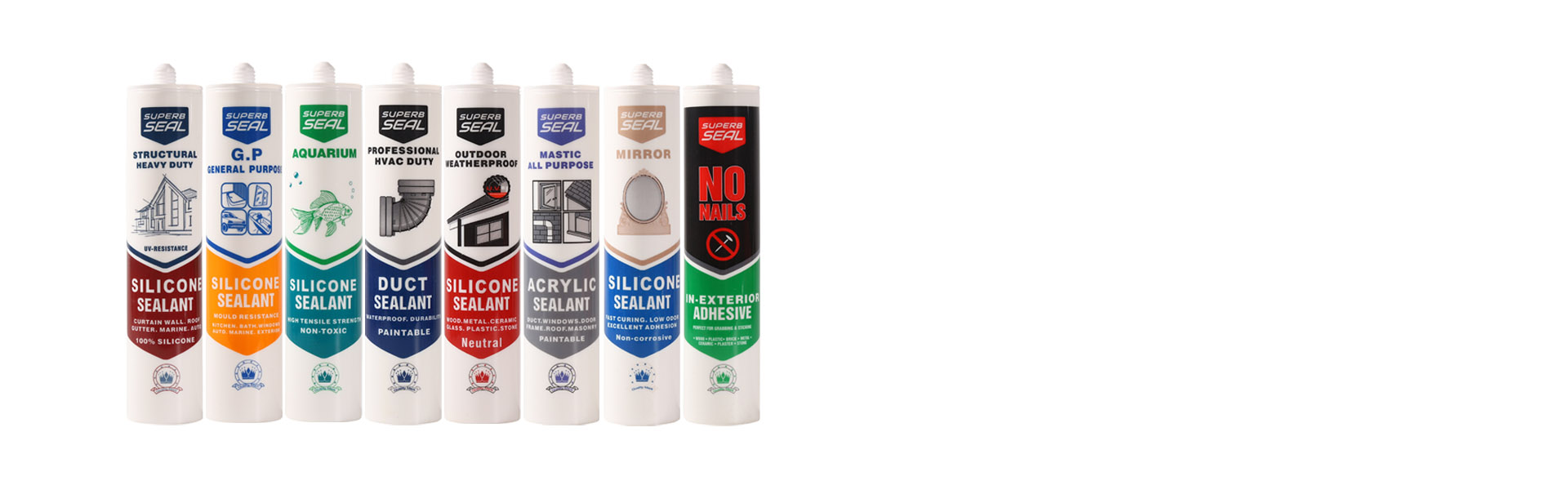
Notable groups include silicone sealants, butyl rubber, and acrylic latex products good choices for both interior and exterior applications with stable moisture resistance. Expanding polyurethane foam suits sealing of larger breaches and cavities. Foil and duct tapes work for short-term sealing yet offer lower durability.
Make sure to observe the producer's usage and handling recommendations.
Combining duct insulation with sealing for best results
When aiming for peak HVAC efficiency both insulation and sealing matter yielding significant monetary savings on heating and cooling. They work jointly to limit drafts and block exterior contaminants from entering.
- Evaluate a pro inspection to pinpoint problematic duct gaps.
- Choose insulating products compatible with your ductwork and climate.
- Make certain every duct-to-vent junction is sealed and fastened.
Investing in combined insulation and sealing delivers superior comfort and savings and trimming both operating costs and carbon output.
Practical do-it-yourself duct sealing guidance
Drafting airtight sealing around ductwork is an effective way to boost HVAC efficiency Start with a careful survey of seams, joints, and connections to identify leaks. Assemble tools such as mastic sealant, foil tape, and a utility knife. Wipe joints and seams with a moist cloth to remove dust for better bonding. Apply a flexible adhesive into crevices and ensure full penetration for sealing. Big gaps can demand heavy-duty repair tape or metal patching methods. Respect the maker's usage and safety advice, using respirators and gloves. After curing, run a follow-up inspection to validate seal durability. Sealing ducts correctly often leads to significant efficiency gains and lower bills.
Locating duct leakage and correcting it with sealants

When the system seems weak, hidden duct leaks may be the culprit. These leaks lead to lost energy and lower airflow yet are commonly fixable with sealants. Available residential sealants differ in tack, flexibility, and application properties. Thoroughly check ducts for openings and unfastened joints before application.
- Contracting skilled sealing work yields better performance and cost reductions Contracting skilled sealing work yields better performance and cost reductions Putting money into professional duct sealing enhances performance and savings
- Once leaks are identified, prep surfaces by wiping them down to promote sealant stick.
- Lay down a consistent layer of sealing compound to bridge cracks and voids fully.
After curing, operate the HVAC and check registers and seams for hidden leaks. If you detect remaining air loss, apply more sealant or consult a pro.
Expert contractor duct sealing for maximized HVAC efficiency
Proper duct sealing is indispensable for HVAC longevity. With age duct systems can acquire gaps and leaks that lower airflow and raise bills. A qualified specialist will diagnose and repair leaks to restore proper airflow. Frequent sealing upkeep diminishes pollutants and strengthens air quality. By investing in professional sealing you can maximize HVAC performance and enjoy savings.